
Essential Tips for Maintaining Your Used Car

Updated: Mar 3
Understand Your Car’s Maintenance Schedule
Every vehicle comes with a manufacturer’s maintenance schedule. This schedule outlines when specific services should be performed. Familiarizing yourself with this schedule is the first step in maintaining your used car. Here are some key components to consider:
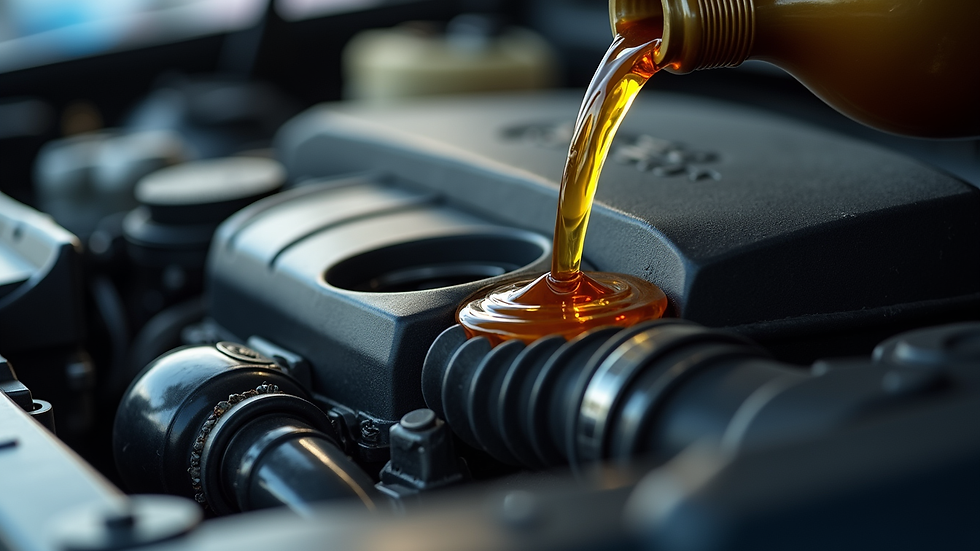
Oil Changes: Regular oil changes are vital for engine health. Depending on your car model, you may need to change the oil every 3,000 to 7,500 miles.
Tire Rotation: Rotating your tires every 5,000 to 7,500 miles can help ensure even wear and extend their lifespan.
Brake Inspection: Regularly check your brakes for wear and tear. If you hear squeaking or grinding noises, it’s time for an inspection.
By adhering to the maintenance schedule, you can prevent minor issues from escalating into major problems.
Keep an Eye on Fluid Levels
Fluids are the lifeblood of your vehicle. Regularly checking and maintaining fluid levels can prevent serious damage. Here’s what to monitor:
Engine Oil: Check the oil level monthly and top it off as needed. Look for any signs of leaks.
Coolant: Ensure your coolant is at the proper level to prevent overheating. This is especially important during extreme weather conditions.
Brake Fluid: Low brake fluid can affect braking performance. Check this regularly and top it off if necessary.
By keeping these fluids at optimal levels, you can enhance your car’s performance and safety.
Pay Attention to Tire Health
Tires are your car's only contact with the road, making their maintenance crucial. Here are some tips for tire care:
Check Tire Pressure: Under-inflated tires can lead to poor fuel efficiency and increased wear. Use a tire pressure gauge to check the pressure at least once a month.
Inspect Tread Depth: Worn tires can compromise safety. Use the penny test: insert a penny into the tread with Lincoln’s head facing down. If you can see all of Lincoln’s head, it’s time for new tires.
Alignment and Balancing: If your car pulls to one side or if you notice uneven tire wear, it may be time for an alignment or balancing.
Maintaining your tires not only improves safety but also enhances fuel efficiency.
Keep the Exterior and Interior Clean
A clean car is not just about aesthetics; it can also protect your investment. Here’s how to maintain both the exterior and interior:
Wash Regularly: Dirt and grime can damage your car’s paint. Aim to wash your car every two weeks, especially during winter months when salt is prevalent.
Wax Your Car: Applying wax every few months can protect the paint and keep it looking new.
Vacuum and Clean Interior: Regularly vacuuming and cleaning the interior can prevent wear on upholstery and keep your car smelling fresh.
A well-maintained exterior and interior can enhance your car's resale value.
Address Minor Issues Promptly
Ignoring small problems can lead to larger, more expensive repairs down the line. Here’s how to handle minor issues:
Listen for Unusual Noises: If you hear strange sounds, investigate them immediately. This could be a sign of a more significant issue.
Check Warning Lights: Don’t ignore dashboard warning lights. Consult your owner’s manual to understand what each light means and take action accordingly.
Monitor Performance: If your car feels different while driving, such as reduced acceleration or unusual vibrations, have it checked out.
By addressing minor issues promptly, you can save time and money in the long run.
Keep Records of Maintenance
Maintaining a detailed record of all services performed on your car can be beneficial for several reasons:
Resale Value: A well-documented maintenance history can increase your car's resale value. Potential buyers appreciate knowing that the vehicle has been well cared for.
Warranty Claims: If your car is still under warranty, having records can help with any claims.
Personal Reference: Keeping track of what has been done can help you anticipate future maintenance needs.
Consider using a digital app or a simple notebook to keep track of your car’s maintenance history.
Invest in Quality Parts and Services
When it comes to repairs and maintenance, quality matters. Here are some tips for choosing the right parts and services:
OEM vs. Aftermarket Parts: Original Equipment Manufacturer (OEM) parts are often more reliable than aftermarket parts. While they may be more expensive, they can provide better performance and longevity.
Choose Reputable Mechanics: Research local mechanics and read reviews. A trustworthy mechanic can save you money and headaches in the long run.
Ask for Recommendations: Don’t hesitate to ask friends or family for recommendations on where to get your car serviced.
Investing in quality parts and services can enhance your vehicle's performance and lifespan.
Prepare for Seasonal Changes
Different seasons can affect your car's performance and maintenance needs. Here’s how to prepare:
Winter Preparation: Check your battery, antifreeze levels, and tire tread depth. Consider using winter tires if you live in an area with heavy snowfall.
Summer Preparation: Ensure your air conditioning is functioning properly and check your coolant levels to prevent overheating.
Fall Check: Inspect your wipers and lights as days get shorter. Replace any burnt-out bulbs and worn wiper blades.
By preparing for seasonal changes, you can ensure your car remains reliable year-round.
The Importance of Regular Maintenance
Regular maintenance is key to keeping your used car in great condition. It not only enhances performance but also ensures safety. By following the tips outlined above, you can enjoy a smooth driving experience. Remember, a little effort goes a long way in preserving your vehicle's value and functionality.
Conclusion
Maintaining your used car doesn’t have to be overwhelming. By following these tips, you can keep your vehicle running smoothly and extend its lifespan. Remember to stay proactive about maintenance, address issues promptly, and keep detailed records. With a little effort, your used car can serve you well for many years to come.
Take the first step today by checking your maintenance schedule and making a plan for your car’s care. Your vehicle will thank you!


Comments